Factory Utilisation Rates: What They Mean for Malaysia’s Economy
Understanding how manufacturing capacity utilization shapes economic growth, industrial health, and Malaysia’s competitive position in global markets
What Are Factory Utilisation Rates?
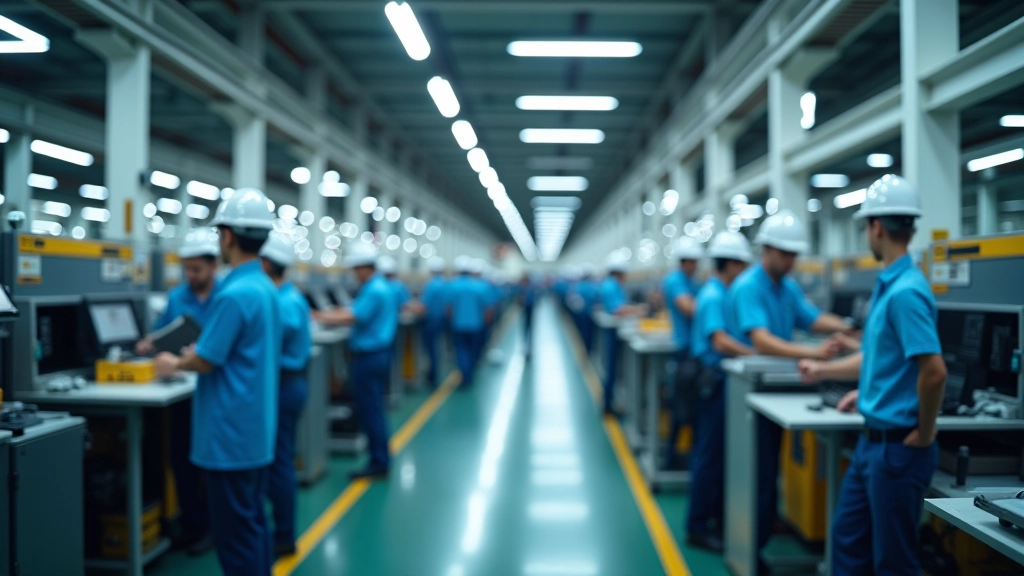
Factory utilisation rates measure the percentage of a manufacturing facility’s productive capacity that’s actually in use. Think of it like this — if a factory has the equipment and space to produce 1,000 units per day but only makes 750 units, that’s a 75% utilisation rate. It’s not complicated, but it tells you something really important about whether Malaysia’s industrial sector is running at full steam or if there’s slack in the system.
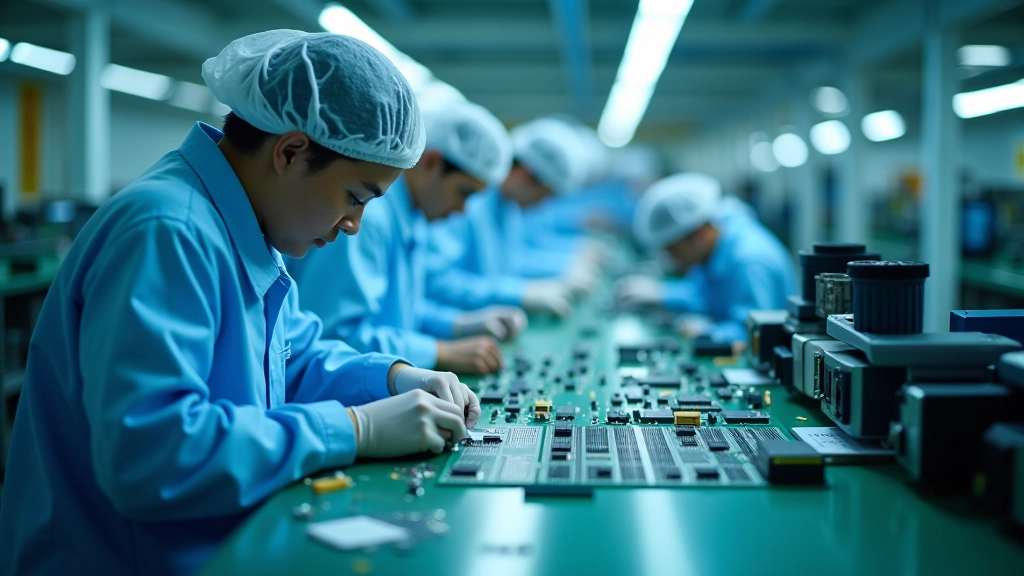
Malaysia’s manufacturing sector relies heavily on these metrics. The country produces semiconductors, automotive parts, and electronic components that feed into global supply chains. When utilisation rates are high — typically above 80% — it signals strong demand and healthy industrial output. When they drop below 70%, it often means factories aren’t getting enough orders or there’s been a disruption. You’ll see these numbers reported monthly by the Department of Statistics, and they’re watched closely by policymakers, investors, and business leaders who want to understand the economy’s direction.

How Utilisation Rates Are Measured
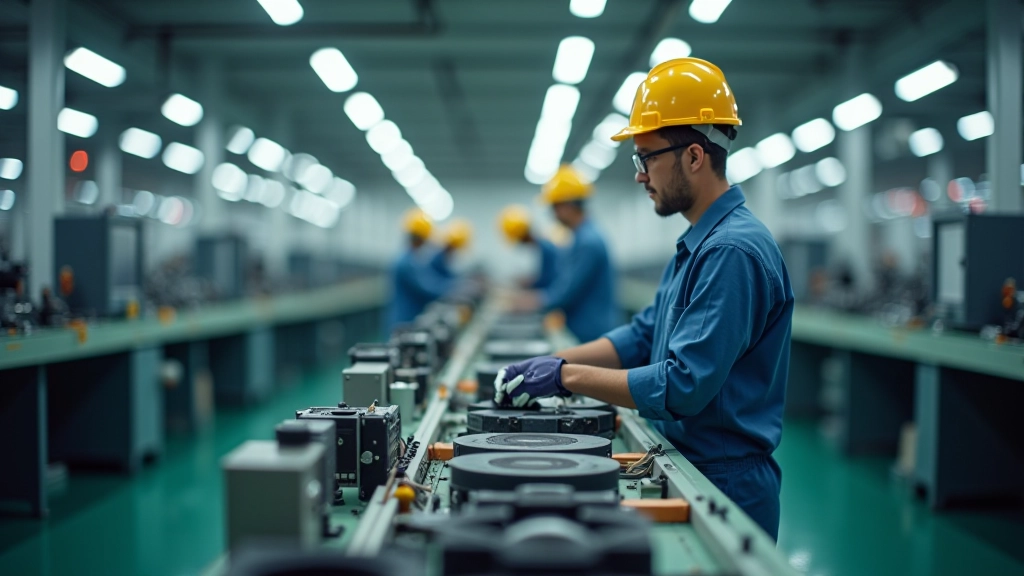
The calculation sounds simple: actual output divided by maximum capacity, multiplied by 100. But getting the data right is trickier. Factories report their production numbers to the Department of Statistics Malaysia. They track output in units, hours of operation, or revenue depending on the industry. The government aggregates this data by sector — electrical and electronics (E&E), automotive, chemicals, food processing — and publishes monthly rates.
Here’s what makes it complex: defining maximum capacity. A factory’s theoretical maximum differs from practical maximum. Machines need maintenance, workers take breaks, and equipment doesn’t run 24/7. Most industries use an 85-90% rate as “optimal” because it’s realistic. Malaysia’s E&E sector, which represents about 40% of total manufacturing output, typically shows rates between 75-85%. When you see reports from the Statistics Department showing the industrial production index or monthly manufacturing data, those utilisation figures reflect what’s actually happening in real factories across the country.
Economic Implications for Malaysia
High utilisation rates signal economic strength. When factories are running close to capacity, it means companies are getting enough orders to justify keeping equipment and staff busy. This creates a positive cycle: more production means more employment, higher wages, increased consumer spending, and stronger tax revenues. Malaysia’s economy is particularly sensitive to these metrics because manufacturing accounts for roughly 23-24% of GDP and employs hundreds of thousands of workers directly.
But there’s a catch. If utilisation rates stay above 85% for extended periods, factories face constraints. They can’t expand production without investing in new equipment or facilities. This can lead to supply bottlenecks and slower economic growth. Conversely, sustained low utilisation — below 70% — suggests weak demand, underutilized capacity, and potential job losses. The semiconductor shortage of 2021-2022 actually demonstrated this: Malaysian E&E factories were operating at nearly 90% capacity but couldn’t meet global demand because they lacked equipment. It was a rare case where high utilisation rates actually indicated a problem.

Sector-Specific Utilisation Patterns
Different industries show different patterns, revealing where Malaysia’s manufacturing strengths and challenges lie
Electrical & Electronics
Malaysia’s largest manufacturing sector. Typically operates at 76-84% utilisation. Semiconductor manufacturing is capital-intensive — factories run complex, expensive equipment that must stay productive. Companies like Penang’s wafer fabrication plants represent some of the most advanced manufacturing in Southeast Asia. Fluctuations here ripple through the entire economy.
Automotive
Smaller but important. Local car manufacturers and component suppliers usually run at 70-80% utilisation. Assembly-line operations are flexible — they can increase or decrease shifts based on demand. Recent years saw volatility due to the chip shortage affecting vehicle production globally and locally.
Chemicals & Petrochemicals
Operates at 75-82% typically. These plants run continuously but respond slowly to demand changes. Built around Malaysia’s petrochemical infrastructure in the Klang Valley. High capital requirements mean factories maintain steady production to cover fixed costs, regardless of short-term demand.
Food & Beverages
More flexible operations. Often runs at 65-75% utilisation because food production adjusts seasonally and for product rotation. Less capital-intensive than semiconductors, so companies can scale up or down without massive equipment investment. Export-oriented for processed foods.
Current Trends and What They Tell Us
Over the past 24 months, Malaysia’s factory utilisation rates have stabilized in the 73-79% range, which economists consider healthy but not overheated. The post-pandemic recovery was stronger in 2022-2023 when rates briefly touched 80%+, reflecting pent-up global demand. Since then, they’ve settled into a more moderate pattern. This isn’t weakness — it’s stability. It means the economy’s running at a sustainable pace without supply constraints that would create inflation pressures.
What’s interesting is the divergence between sectors. E&E maintains higher rates because semiconductor demand remains strong despite recent slowdowns in global tech spending. Automotive has been more volatile, dipping below 70% in some months due to supply chain uncertainties. Chemical production stays consistent because those facilities are designed for continuous operation. You’ll find monthly reports from the Statistics Department breaking this down — they’re free public data that reveal the real state of Malaysia’s manufacturing heartbeat.

Looking Forward: What to Watch
Global Semiconductor Demand
AI chip production is ramping up globally. This could push Malaysian E&E utilisation rates higher if local manufacturers secure orders. Penang’s semiconductor ecosystem is positioned to benefit, but it’s not guaranteed — competition from Taiwan and South Korea is intense.
Supply Chain Shifts
Companies are diversifying manufacturing away from China. Malaysia, with its stable political environment and established infrastructure, could see increased foreign investment. Higher utilisation rates would follow if companies establish facilities here.
Energy Costs and Sustainability
Factories increasingly need to manage energy consumption and meet ESG requirements. This might require equipment upgrades that affect short-term utilisation rates but improve long-term competitiveness.
“Factory utilisation rates aren’t just statistics — they’re a window into whether Malaysia’s economy is firing on all cylinders or running with spare capacity.”
Factory utilisation rates matter because they tell the real story of Malaysia’s industrial health. They’re more honest than GDP figures alone — you can see where actual productive capacity sits, whether companies are hiring or reducing shifts, and whether the economy has room to grow without overheating. The rates you see in monthly statistics reports reflect thousands of decisions by factory managers, purchasing directors, and company leaders who’re responding to global demand and local conditions.
Currently, Malaysia’s utilisation rates sit in a healthy 73-79% range. That’s not exciting news that makes headlines, but it’s exactly where you want to be. The economy’s got room to grow, industries aren’t struggling with bottlenecks, and there’s capacity for new investment. The E&E sector remains the engine, automotive’s recovering, and chemicals are steady. Monitor these numbers — they’ll tell you whether Malaysia’s manufacturing sector is strengthening or facing headwinds long before you see broader economic changes.
Information Disclaimer
This article provides educational information about factory utilisation rates and their role in Malaysia’s economy. The data, trends, and analysis presented are based on publicly available information from Malaysia’s Department of Statistics, industry reports, and economic analysis. This content is for informational purposes only and shouldn’t be considered as investment advice, economic forecasting, or policy recommendations. Economic indicators change monthly, and utilisation rates fluctuate based on global and local conditions. For current statistics, consult official sources like the Department of Statistics Malaysia or Bank Negara Malaysia. Circumstances vary by industry and company, so specific impacts differ across sectors.
Related Articles